Saden: A Strategic Display Font for Purposeful Design
Fonts are more than just tools for communication—they are strategic assets that shape perception, reinforce identity, and influence outcomes. Among the many fonts available today, Saden stands out as a fun and unique display font with broad appeal and versatile applications. Designed to capture attention while maintaining readability in specific contexts, Saden offers creators, marketers, and professionals a way to inject personality into their visual storytelling without sacrificing professionalism.
Why Saden is a Valuable Addition to Your Font Library
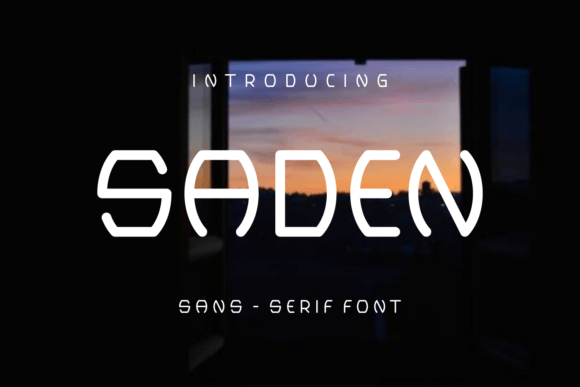
Saden’s character lies in its balance of whimsy and clarity. It features rounded edges, playful strokes, and a modern aesthetic that can bring warmth and approachability to digital and print projects alike. Unlike overly decorative or difficult-to-read typefaces, Saden maintains enough structure to be effective in use cases where bold, engaging text is needed—such as headlines, logos, infographics, or social media graphics.
For entrepreneurs and small business owners, Saden can serve as a branding tool that differentiates their content from competitors. Its distinctiveness makes it ideal for creating memorable visuals, which is especially important in industries like lifestyle, wellness, education, or creative services. Marketers might find Saden useful in campaigns aimed at younger demographics or those seeking a more lighthearted tone. Educators and content creators can also leverage it to make educational materials or blog posts more visually appealing and inviting.
Key Strategic Advantages of Saden
- Brand Consistency: When used intentionally, Saden can help maintain a consistent visual language across platforms, reinforcing brand recognition.
- Engagement Boost: The font’s lively design draws the eye, making it excellent for headlines or call-to-action buttons in marketing collateral.
- Creative Flexibility: Saden works well in both digital and print formats, offering designers the freedom to experiment with layout and hierarchy.
- Memorability: Unique typography helps your message stand out in crowded spaces, whether on a website, in an email newsletter, or on packaging.
When to Use Saden Thoughtfully
Using Saden effectively means understanding when it enhances rather than detracts from your message. Here are some scenarios where it can add value:
- Headlines and Titles: Saden’s bold presence makes it perfect for drawing attention to key points or section titles.
- Logos and Branding Elements: For brands aiming to convey creativity, innovation, or friendliness, Saden can become part of a cohesive visual identity.
- Event Posters and Invitations: Whether promoting a workshop, conference, or community event, Saden can create a sense of energy and excitement.
- Product Packaging: In niche markets such as handmade goods, gourmet products, or children's toys, Saden adds a personal touch that resonates with consumers.
- Infographics and Data Visualizations: When paired with more traditional body fonts, Saden can highlight data points or categories without overwhelming the reader.
How to Approach Saden in Your Projects
- Define the Purpose: Before applying Saden, ask what you want to achieve with your design. Is it to evoke emotion, highlight a key message, or create a strong first impression? Understanding this will guide your decisions about font placement and usage.
- Pair It Wisely: Display fonts like Saden often work best when complemented by a clean, sans-serif or serif font for body text. This ensures legibility while letting Saden shine in areas that need emphasis.
- Limit Its Scope: Overuse of any display font can dilute its impact. Reserve Saden for elements that benefit from its attention-grabbing nature, such as headings, taglines, or promotional banners.
- Test Across Platforms: Ensure that Saden renders consistently across devices and screen sizes. While it may look great on a desktop, it could lose its charm on mobile if not optimized properly.
- Tone and Audience Alignment: Does the playful nature of Saden align with your brand’s voice and the expectations of your audience? For formal or professional environments, it may not be appropriate.
- Readability vs. Aesthetics: Although Saden is a display font, ensure it remains readable in the context where it will appear. Avoid using it in long paragraphs or fine print.
- Accessibility Standards: Test how Saden performs under different accessibility settings. Some users may struggle with highly stylized fonts, especially if they have visual impairments.
- Font Licensing: Make sure you understand the licensing terms for Saden, particularly if you’re using it in commercial projects or distributing it publicly.
- What is the goal of this piece?
- Who is the intended audience?
- Does Saden enhance or hinder the message?
- Am I using it consistently with my brand’s visual identity?
- Create a style guide that includes rules for when and how to use Saden in your designs.
- Conduct A/B testing to see how audiences respond to different typographic treatments involving Saden.
- Use it sparingly in presentations or reports to emphasize key takeaways or action items.
- Combine it with contrasting fonts to create visual hierarchy and balance.
- Ensure it complements your color scheme and other design elements for a cohesive look.
Strategic Considerations Before Relying on Saden
While Saden is powerful, it’s not always the right choice. Before integrating it into your workflow, consider the following factors:
Real-World Examples of Saden in Action
Consider a startup in the fitness industry launching a new line of branded merchandise. They might use Saden in their logo to create a dynamic, youthful vibe that appeals to their target demographic. Similarly, a travel blogger redesigning their website could apply Saden to section headers and destination names, making each page feel more vibrant and exploratory.
In e-learning platforms, Saden could be used to break up dense content with engaging chapter titles or motivational prompts. For product packaging, especially in the food or beauty sectors, Saden can help create a sense of handcrafted authenticity, encouraging customers to connect emotionally with the brand.
The Risks of Using Saden Without Clear Goals
One of the most common pitfalls in typography is using a font because it looks nice, rather than because it serves a purpose. If you choose Saden without considering its role in your overall design strategy, you risk confusing your audience or weakening your message. For instance, using it in a corporate report may come off as unprofessional or distracting. Similarly, relying on Saden for all your text without contrast can lead to visual fatigue and reduce the effectiveness of your communication.
To avoid these issues, always ask yourself:
Long-Term Value of Intentional Typography
Typography plays a subtle yet powerful role in shaping user experience and brand perception. Choosing the right font like Saden isn’t just about aesthetics—it’s about building trust, guiding attention, and ensuring clarity. As your brand evolves, so too should your typographic choices. However, once you establish a thoughtful relationship with a font like Saden, it can become a foundational element of your visual storytelling over time.
Think of Saden as a tool for differentiation. In a market saturated with similar offerings, the right font can give your brand a unique edge. But only when it’s used with intention and consistency does it truly contribute to long-term success.
Planning Tips for Effective Use of Saden
Integrating Saden Into Your Workflow
If you're ready to incorporate Saden into your design process, start by identifying one project where it can make the biggest impact. Maybe it’s a new landing page, a product launch graphic, or a social media campaign. Begin with a clear objective and test how Saden supports that goal.
You can also explore variations of the font—some display fonts offer weights, italics, or alternate characters that expand their usefulness. Look for these options if you plan to use Saden across multiple design styles or languages.
Finally, document your experiences with Saden. Note which applications worked well and which didn’t. This feedback loop will help you refine your strategy and avoid missteps in future projects.
Conclusion: Typographic Strategy Starts with Purpose
Saden is more than a display font—it’s a strategic decision waiting to be made. By aligning its use with your goals, audience, and brand values, you can unlock its full potential and elevate your design work. Remember, the best fonts don’t shout; they speak clearly and purposefully. Used thoughtfully, Saden can do just that, helping you communicate more effectively and leave a lasting impression.