Popsicle Alternative: A Versatile Display Font for Creative Projects
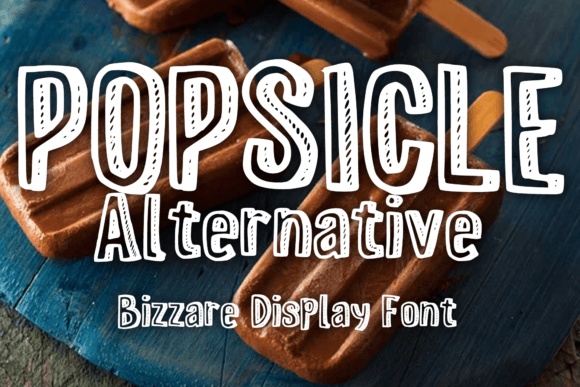
Popsicle Alternative is a distinctive display font known for its funky and sketchy aesthetic. Designed to stand out in visual projects, it brings a casual, playful energy to any design. Whether you're working on t-shirts, kids' book illustrations, greeting cards, or promotional posters, this font offers a unique style that can enhance your creative output. However, like any design tool, it has its strengths and limitations. Understanding when and how to use Popsicle Alternative effectively can help you make better decisions about its place in your typography toolkit.
What Makes Popsicle Alternative Unique?
At first glance, Popsicle Alternative stands out due to its hand-drawn appearance and irregular letterforms. The font mimics the look of quick sketches or doodles, giving it an informal and whimsical feel. This quality makes it ideal for designs that prioritize personality over formality. Unlike standard sans-serif or serif fonts used for readability, Popsicle Alternative thrives in environments where creativity and attention-grabbing visuals are key.
The font's character set includes both uppercase and lowercase letters, along with numbers and punctuation. While not fully packed with special glyphs or ligatures, it maintains consistency in its quirky charm across all characters. Its bold weight and rounded edges contribute to a friendly, approachable vibe that resonates well with younger audiences or niche markets looking for originality.
Why Consider Popsicle Alternative?
Designers often seek fonts that break the mold of traditional typefaces to add flair and uniqueness to their work. Popsicle Alternative fits into this category by offering a style that’s easy to recognize and difficult to forget. Here are some reasons why it might be worth considering:
- Casual Appeal: It suits designs that aim for a relaxed, fun, or youthful tone.
- High Visual Impact: Its bold and uneven strokes help text pop in logos, headers, and eye-catching graphics.
- Versatility Across Media: It works well in print and digital formats, making it suitable for t-shirts, stickers, social media posts, and more.
- Unconventional Style: For those who want to avoid generic fonts and create something memorable, Popsicle Alternative provides a fresh alternative.
Benefits and Tradeoffs
While Popsicle Alternative offers many advantages, it's important to weigh these against potential tradeoffs before incorporating it into your design workflow.
Benefits
One of the primary benefits of using Popsicle Alternative is its ability to convey emotion and individuality. In branding for children’s products, lifestyle brands, or indie projects, this font can help communicate a sense of fun and spontaneity. Additionally, its sketch-like nature gives designers the freedom to pair it with other artistic elements, such as watercolor textures or hand-painted backgrounds, without clashing visually.
Another benefit lies in its adaptability. Though it was created for display purposes, its clean baseline and consistent spacing allow it to perform reasonably well in short headlines and subheadings. When used sparingly, it can serve as a focal point within a design without overwhelming the layout.
Tradeoffs
Despite its charm, Popsicle Alternative isn’t suited for every project. Its lack of formal structure means it may not read well in long blocks of text. The irregular shapes and inconsistent stroke widths can also make it challenging to align perfectly in grid-based layouts. If legibility is a top priority—such as in body copy for websites or printed manuals—this font may not be the best choice.
Moreover, because it's a display font, licensing considerations may apply depending on your intended usage. Always verify the font's commercial rights before using it in products meant for sale or distribution.
Situations Where Popsicle Alternative Excels
Popsicle Alternative shines in contexts where creativity takes precedence over strict typographic rules. Some of the most effective uses include:
- T-shirt Designs: Its bold and whimsical style works particularly well for graphic tees targeting younger demographics or casual fashion lines.
- Kids’ Book Illustrations: The playful nature of the font complements children's literature, helping to create engaging and imaginative visuals.
- Greeting Cards and Invitations: It adds a personal touch to handwritten-style messages, making them feel more genuine and less corporate.
- Poster Art and Stickers: The font's visual appeal helps draw attention and can be paired with bright colors and simple imagery for maximum effect.
In these scenarios, the font's eccentricities become strengths rather than drawbacks. It allows designers to express a specific mood or theme that might be hard to achieve with more conventional options.
When to Look for Alternatives
Though Popsicle Alternative is versatile, there are situations where other fonts may be more appropriate. Consider alternatives if:
- You need high readability: Avoid using it in body text or small sizes where clarity is essential.
- Your audience prefers professionalism: In business reports, legal documents, or formal presentations, a more structured font will maintain credibility.
- You require multilingual support: Check the font's character coverage. If it lacks glyphs for certain languages or symbols, another font may be necessary.
- Consistency is key: In large-scale branding efforts where uniformity matters, a more refined display font or a complementary system font may offer better results.
For example, if you're designing a website with a lot of textual content, pairing Popsicle Alternative with a clean, readable sans-serif like Open Sans or Lato could provide a balanced look. Similarly, for packaging that needs to convey both fun and functionality, consider using Popsicle Alternative only for accents or taglines.
Practical Tips for Using Popsicle Alternative
To get the most out of Popsicle Alternative, keep the following tips in mind:
- Use it selectively: Apply the font only where its style enhances the message, such as titles, banners, or call-to-action buttons.
- Balance with simpler fonts: Pair it with a neutral base font to ensure the overall design remains cohesive and legible.
- Test at different sizes: Since it’s a display font, evaluate how it looks at various scales before finalizing its use in a project.
- Consider background contrast: Ensure the color and texture behind the text don’t interfere with its visibility or impact.
Additionally, take advantage of font pairing tools or design software features that let you experiment with combinations. These resources can help you find a harmonious match for Popsicle Alternative that supports your design goals without overshadowing them.
Aligning With Your Design Goals
Deciding whether Popsicle Alternative is right for your project depends largely on your objectives. Ask yourself the following questions:
- Do I want my design to feel casual, playful, or artistic?
- Will the text be short and impactful, or long and informative?
- Is this font going to complement the rest of my design elements, or clash with them?
- Am I targeting a younger or niche audience that would appreciate a more unconventional look?
If you answered yes to most of these, Popsicle Alternative could be a great fit. However, if your goal is to maintain a professional or minimalist aesthetic, it may be wiser to explore more restrained options.
Final Thoughts
Popsicle Alternative is a bold, expressive font that brings a sense of fun and individuality to creative projects. Its sketchy, hand-drawn style makes it perfect for t-shirts, greeting cards, posters, and similar media where visual impact and personality matter most. However, its informal characteristics also mean it won't suit every context, especially those requiring high readability or a polished appearance.
By understanding the strengths and limitations of Popsicle Alternative, you can make informed choices about where to deploy it. When used thoughtfully and in the right setting, it can elevate your designs and leave a lasting impression. But always remember that the best font is one that serves the purpose of your project and resonates with your intended audience.