Newmoon: A Versatile Retro Display Font for Modern Design Projects
Choosing the right font can make or break a design project. Typography plays a crucial role in branding, visual communication, and aesthetics, influencing how audiences perceive your message. One font that stands out with its unique character and broad applicability is Newmoon. This retro display font offers a timeless charm while being adaptable enough to fit into a wide range of creative applications—from logos and product packaging to quotes and greeting cards.
What Is Newmoon?
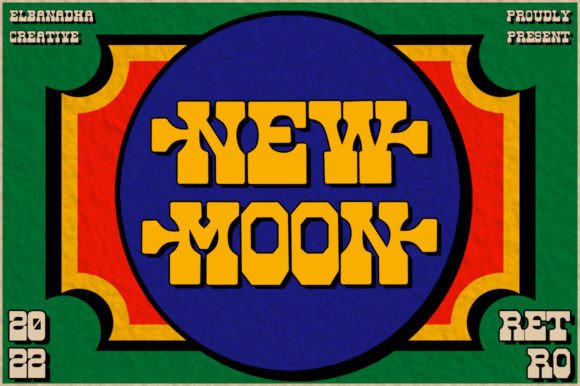
Newmoon is a retro-style display font designed to evoke nostalgia while maintaining modern usability. Its bold, slightly rounded letterforms and subtle texture give it a vintage feel without compromising legibility. Unlike many decorative fonts that are limited to specific uses, Newmoon is versatile enough to be integrated into both digital and print projects, making it an excellent choice for designers looking to add personality without sacrificing professionalism.
Characteristics That Make It Unique
- Retro Vibe: The font’s design harks back to mid-century typography, ideal for brands aiming for a classic or artisanal aesthetic.
- High Readability: Despite its decorative elements, Newmoon remains clear and easy to read at various sizes.
- Stylized Accents: Each character features small, thoughtful details that enhance visual appeal without overwhelming the design.
- Wide Compatibility: Available in multiple formats, including TTF and OTF, ensuring smooth integration across design software and platforms.
Where Does Newmoon Fit Into Your Workflow?
Typographic choices should align with the overall goals of your project. Newmoon fits best when you need a font that adds warmth, character, and a sense of history. Here’s how it can be used effectively throughout different stages of your workflow:
Before the Project Starts
In the planning phase, selecting the right font helps set the tone for your design. If your brand identity or project theme leans towards retro, artisanal, or handcrafted styles, consider using Newmoon as a foundational element. For instance, if you're launching a new line of homeware with a vintage-inspired look, incorporating Newmoon early on ensures consistency from logo design to packaging.
Use it in mood boards to visualize how the font will interact with other design elements like color palettes and imagery. You might also want to test it alongside potential brand names or slogans to see if it enhances the message rather than distracts from it.
During the Creative Process
Once you’ve decided to use Newmoon, it becomes part of your active design toolkit. Whether you’re working in Adobe Illustrator, Canva, or any vector-based design software, the font performs reliably. Its retro style works especially well for:
- Logo creation for cafes, boutiques, or lifestyle brands
- Product labels that require a warm, inviting touch
- Invitation cards for events such as weddings, birthdays, or art exhibitions
- Book covers for genres like fantasy, historical fiction, or poetry
One practical tip is to pair Newmoon with a clean sans-serif font for body text. This contrast helps maintain readability while allowing the retro font to shine in key areas like headings and titles. Also, consider using it sparingly in long blocks of text—reserve it for short phrases or impactful statements where its style can take center stage.
After Finalizing the Design
Once your project is complete, it's important to ensure that the font continues to perform well in all environments. For example, if you’ve used Newmoon on a t-shirt design, confirm that it looks good in both high-resolution print and low-resolution online previews. Similarly, when applied to product packaging, test how it appears under different lighting conditions and material finishes.
For web-based projects, check whether the font is optimized for screen viewing. Some display fonts lose clarity when scaled down, so always preview the final output on various devices before publishing.
Integration With Other Tools and Resources
Newmoon doesn’t just work well on its own; it complements a variety of tools and workflows. Below are some examples of how it integrates with common design practices:
With Branding Tools
If you’re using tools like Figma or Sketch for branding, Newmoon can serve as the primary or secondary headline font. It pairs well with minimalist layouts, helping to create a balanced yet distinctive visual hierarchy. When creating assets like business cards or name tags, use Newmoon for names or taglines to add a memorable touch.
On Social Media Platforms
Social media graphics often benefit from a strong typographic presence. Newmoon is particularly effective for Instagram posts, Pinterest banners, and Facebook event invitations. Its retro style makes it ideal for lifestyle, food, or travel content where a personal and nostalgic tone is desired.
In Photography and Print
Photographers often use overlay text to enhance their images, especially for stock photography or promotional shots. Newmoon can act as a watermark or caption font, adding a subtle yet stylish element without overpowering the subject. In print, it works beautifully on posters, shopping bags, and even mugs—where the tactile quality of the design is enhanced by its textured appearance.
Practical Implementation Tips
Here are some actionable tips for integrating Newmoon into your design process efficiently:
- Start with a mockup: Before applying the font to your final design, create a quick mockup using free tools like Placeit.net or Mockup World to see how it looks in context.
- Test spacing and kerning: Because of its stylized nature, Newmoon may require manual adjustments to ensure characters flow smoothly together, especially in tight spaces or curved text.
- Consider licensing: Always verify the font’s usage rights. While many retro-style fonts are available for commercial use, it’s essential to know if you need to purchase a license for extended applications like mass-produced merchandise or app interfaces.
- Layer with textures: To amplify its retro feel, pair Newmoon with background textures like parchment, wood grain, or aged paper effects. This can be done easily in Photoshop or Procreate.
- Stay consistent: Use Newmoon in the same weight and style across all related materials to maintain a cohesive brand identity.
Workflow Examples Where Newmoon Shines
To illustrate how Newmoon can enhance real-world design tasks, let’s walk through a few typical scenarios:
Example 1: Product Packaging for a Vintage-Inspired Brand
You're designing a new line of organic teas with a focus on sustainability and natural ingredients. The brand wants to evoke a sense of tradition and authenticity. By using Newmoon on the label and box designs, you immediately communicate these values visually. Pair it with earthy tones and botanical illustrations for a harmonious look that feels hand-crafted and genuine.
Example 2: Wedding Invitations and Stationery
A couple is planning a rustic-themed wedding. They request invitations that reflect the vibe of their venue—a converted barn. Using Newmoon for the main title and key dates gives the stationery a charming, hand-written feel. You can also extend its use to place cards, menu headers, and thank-you notes to maintain visual continuity.
Example 3: Poster Design for a Music Festival
For a local music festival celebrating indie rock and folk artists, Newmoon adds a nostalgic flair to the poster. Use it for the event name and artist lineup to draw attention. Complement it with sepia-toned visuals and analog textures to reinforce the retro atmosphere.
Factors to Consider When Using Newmoon
While Newmoon is a powerful tool, its success depends on thoughtful implementation. Here are several factors to keep in mind:
Preparation
Always plan which parts of your design will feature the font. Will it be the main heading? A call-to-action button? Or perhaps part of a larger typographic system? Knowing this upfront saves time and reduces revisions later.
Compatibility
Ensure that the font format you download is compatible with your design software. OpenType (OTF) files support advanced typographic features, which can be useful for more complex layouts. TrueType (TTF) files are generally more widely supported and easier to install on most systems.
Usability
Because Newmoon is a display font, avoid using it for large bodies of text. Instead, use it for headlines, captions, and accents. For longer copy, opt for a complementary font that ensures readability and maintains the visual harmony of your design.
Organization
Keep track of where and how you use Newmoon within your design system. Organize font styles in layers or folders so they’re easy to locate and adjust during revisions. This practice is especially helpful when managing multiple projects simultaneously.
Efficiency
Streamline your workflow by setting up reusable templates with Newmoon already embedded. This is particularly beneficial for creators who frequently produce similar assets like social media posts, book covers, or mug designs. Having a ready template saves time and ensures consistency.
Consistency
Whether you're building a brand or designing a series of products, consistency is key. Define a set of rules for how and where Newmoon will appear in relation to other fonts and design elements. This helps maintain a professional look and reinforces brand recognition across all touchpoints.
Quality Control
Before sending final designs to clients or printing, double-check the font rendering. Ensure that there are no missing glyphs or unexpected spacing issues. This step is vital for printed items like name cards or greeting cards, where precision matters.
Long-Term Use
Think about how Newmoon will evolve with your brand or project over time. Will it still feel relevant in a year or five years? A retro font can become dated quickly if not paired with adaptable design elements. Use it in a way that allows for future updates—perhaps as a seasonal accent or a special edition font rather than a permanent fixture.
Why Choose Newmoon Over Similar Fonts?
There are countless retro-style fonts available, but Newmoon distinguishes itself through balance and adaptability. It avoids the extremes of overly ornate or difficult-to-read designs, making it suitable for a broader audience. Unlike some vintage fonts that only work in black-and-white, Newmoon retains its elegance in color schemes, offering flexibility for vibrant or muted palettes alike.
Its compatibility with both digital and print mediums also sets it apart. Many retro fonts struggle with scaling or rendering on screens, but Newmoon handles these transitions smoothly, reducing the need for last-minute fixes or alternative fonts.
Final Thoughts on Incorporating Newmoon
Typography is more than just choosing a pretty font—it’s about enhancing the message and experience of your project. Newmoon does more than meet the eye; it brings a sense of history and emotion into your designs. By understanding its strengths and limitations, you can use it to elevate everything from small personal projects to large-scale branding efforts.
When used thoughtfully, Newmoon becomes a silent collaborator in your creative process. It supports your vision, adds depth to your visuals, and connects with your audience on a more personal level. As with any tool, the key is knowing when and how to apply it for maximum impact.