Easy Brush: A Versatile Display Font for Creative Projects
Typography plays a crucial role in design, influencing how messages are perceived and experienced. With the right font, creators can evoke emotion, set tone, and enhance visual appeal. One such font that has gained popularity among designers is Easy Brush. This fun, brush-style display font offers a casual and expressive look, making it ideal for a wide range of creative applications. In this article, we explore what makes Easy Brush stand out, its practical uses, and how to incorporate it effectively into your work.
Understanding the Style of Easy Brush
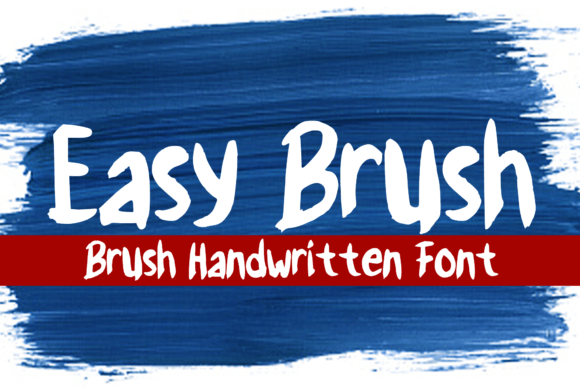
Easy Brush is characterized by its hand-drawn appearance, which mimics the natural flow of a brush pen on paper. Each letter is unique yet cohesive, with soft curves, organic shapes, and subtle variations in stroke width. These features give the font a warm and approachable feel, distinguishing it from more rigid or mechanical typefaces.
The brush style adds an artistic flair that can make text feel more personal and engaging. Unlike standard sans-serif or serif fonts, Easy Brush doesn’t rely on uniformity; instead, it embraces imperfection as part of its charm. This quality makes it especially effective in designs where creativity and spontaneity are key.
Key Features of Easy Brush
- Handwritten Aesthetic: The font’s brush-like strokes create a sense of authenticity and human touch.
- Versatility: It works well across multiple platforms and media types, from digital to print.
- Readability at Larger Sizes: While not recommended for body text, Easy Brush shines when used for headlines, titles, and short phrases.
- Customizable Feel: Designers can pair it with other fonts to balance its playful nature with more structured styles.
Applications of Easy Brush in Real-World Design
Because of its lively and informal style, Easy Brush is particularly suited for projects that aim to capture attention through visual interest rather than strict formality. Here are some common use cases where it excels:
1. T-Shirt Designs
T-shirts often benefit from bold, eye-catching typography. Easy Brush brings a sense of fun and energy to apparel designs, especially when paired with minimalist graphics or solid color backgrounds. Its dynamic strokes help text pop while maintaining a friendly vibe that appeals to younger audiences or those seeking casual wear.
Designers might use Easy Brush to highlight slogans, names, or motivational phrases. For example, a t-shirt with “Dream Big” in Easy Brush could be both visually striking and emotionally resonant.
2. Kids’ Book Illustrations
In children’s literature, the choice of font can significantly impact engagement. Easy Brush is ideal for creating whimsical headings, chapter titles, or even character names. Its playful nature aligns well with the imaginative world of children’s books, encouraging curiosity and delight.
When designing educational or story-based content for kids, using a font like Easy Brush can make reading more interactive and enjoyable. The organic feel of the letters helps break up dense layouts and draws young readers into the narrative.
3. Greeting Cards and Invitations
Greeting cards, birthday invitations, and holiday cards often require a personal and heartfelt touch. Easy Brush delivers just that with its gentle, flowing characters. Whether you're designing a thank-you card, a wedding invitation, or a baby shower announcement, this font can add warmth and charm.
Its ability to convey sincerity without being over-the-top makes it a favorite among graphic designers who specialize in event planning or stationery. For instance, a simple “Happy Birthday” in Easy Brush can instantly elevate the mood of a card.
4. Stickers and Merchandise
Stickers, labels, and promotional merchandise frequently need a distinctive visual identity. Easy Brush’s unique strokes allow for quick recognition and memorable branding. Its adaptability means it can fit seamlessly into both small-scale and large-format sticker designs.
Businesses selling handmade products, such as candles or jewelry, often use this font to craft custom packaging or tags. The result is a brand aesthetic that feels artisanal and inviting.
5. Poster and Banner Design
Posters and banners are all about making a statement. Easy Brush helps designers achieve that with its expressive and bold characteristics. Whether promoting a music festival, advertising a sale, or announcing a community event, this font can serve as a focal point that commands attention.
For example, a summer concert poster using Easy Brush for the headline “Live in the Sun” would immediately suggest a relaxed and vibrant atmosphere. The font complements colorful backdrops and abstract illustrations, enhancing the overall visual harmony.
Why Choose Easy Brush?
There are many reasons why professionals and hobbyists alike choose Easy Brush for their projects. Its blend of artistry and functionality makes it a go-to option for various creative needs. Below are some of the core advantages that set it apart:
- Approachable and Friendly: The soft, rounded strokes make the font feel welcoming and non-intimidating.
- High Visual Contrast: When layered against solid colors or gradients, Easy Brush stands out beautifully, ensuring legibility and impact.
- Timeless Appeal: Though modern in style, the font avoids trends that may date quickly, offering longevity in design projects.
- Wide Language Support: Many versions of Easy Brush include support for multiple languages and special characters, making it accessible globally.
- Designer-Friendly Licensing: Depending on the source, Easy Brush is often available under flexible licenses suitable for commercial and personal use.
Practical Benefits for Different Users
Professionals in the design industry appreciate Easy Brush for its ease of integration into software like Adobe Illustrator or Photoshop. Educators and researchers may find it useful for creating visually engaging presentations or infographics aimed at younger demographics. Hobbyists and small business owners benefit from its affordability and accessibility, allowing them to experiment with high-quality typography without breaking the bank.
Considerations When Using Easy Brush
While Easy Brush is incredibly versatile, there are certain considerations to keep in mind to ensure it enhances rather than hinders your design:
- Use Sparingly: As a display font, it’s best suited for short bursts of text. Overusing it in long paragraphs can reduce readability.
- Pair Thoughtfully: Combine it with a clean, structured font (like a sans-serif or slab serif) to maintain balance in your layout.
- Respect Context: Avoid using it in formal documents or professional reports where clarity and consistency are essential.
- Test Across Media: Always preview how the font looks on different surfaces—especially if printing. Some brush-style fonts may lose definition when printed at low resolutions.
By understanding these nuances, users can maximize the effectiveness of Easy Brush and avoid common pitfalls associated with decorative fonts.
Implementing Easy Brush in Your Workflow
Incorporating Easy Brush into your design workflow is straightforward, but it requires thoughtful execution. Here are some tips to get the most out of it:
1. Select the Right Version
Many brush-style fonts come in multiple variants, such as bold, italic, or script styles. Ensure you choose the version that matches the tone and purpose of your project. For instance, a bolder variant might work better for posters, while a lighter one could suit greeting cards.
2. Use Proper Kerning and Spacing
Due to its irregular structure, spacing between letters in Easy Brush can vary. Manually adjusting kerning ensures the text remains balanced and easy to read, especially when used in logos or headers.
3. Leverage Color and Texture
Brush-style fonts thrive when given texture and depth. Try applying subtle shadows, gradients, or ink effects to amplify their artistic qualities. On digital platforms, consider adding a slight glow to make the text stand out against busy backgrounds.
4. Maintain Consistency
Even though each character is slightly different, it’s important to maintain a consistent tone throughout your design. This can be achieved by limiting the number of alternate characters used and keeping the overall composition harmonious.
Observations and Best Practices
One of the most notable observations about Easy Brush is how it responds to different design elements. When placed next to geometric or modern fonts, it introduces contrast that can guide the viewer’s attention and add visual interest. Similarly, when used with illustrative or hand-painted graphics, it creates a unified and cohesive theme.
Best practices suggest using Easy Brush as a primary accent font rather than the dominant one. For example, in a product package design, you might use it for the title and a structured font for supporting text. This approach ensures that the design remains functional while still feeling creative and expressive.
Real-World Examples
Several brands have successfully integrated Easy Brush into their visual identities. A local café might use it for menu headings and signage to reflect a cozy, home-baked feel. Meanwhile, a startup targeting millennials could leverage it in marketing materials to appear more youthful and innovative.
Another compelling use case is in social media content. Posts with catchy phrases like “Follow Your Heart” or “Stay Curious” styled in Easy Brush can resonate more with audiences looking for inspiration or connection.
Comparisons with Other Brush Fonts
Easy Brush isn’t the only brush-style font available, but it holds its own against others in terms of usability and aesthetics. Compared to similar options, it tends to offer a more refined balance between playfulness and professionalism. While fonts like Brush Script or Rock Salt also feature hand-drawn elements, they may lack the subtlety or scalability that Easy Brush provides.
Additionally, Easy Brush is often praised for its cleaner lines and smoother transitions between characters. This makes it more adaptable for commercial purposes, whereas some other brush fonts might appear too rough or inconsistent for mass production.
Current Trends and Future Potential
As design trends continue to favor minimalism and personalization, fonts like Easy Brush remain relevant. They bridge the gap between traditional calligraphy and modern typography, appealing to both vintage enthusiasts and contemporary creators. The rise of indie brands and lifestyle businesses has further fueled the demand for fonts that convey authenticity and individuality.
Looking ahead, the potential for Easy Brush in emerging areas like augmented reality (AR) experiences or animated content is promising. Its fluid motion and expressive style lend themselves well to dynamic visuals, opening new doors for digital storytelling and immersive design.
Conclusion
Easy Brush is more than just a decorative font—it’s a tool that enables designers to connect with their audience on a more emotional level. Its versatility across mediums and contexts makes it a valuable addition to any typographic arsenal. Whether you’re crafting a logo, designing a book cover, or creating personalized merchandise, this font offers the perfect blend of style and substance.
By understanding its strengths and limitations, and applying it thoughtfully within your projects, you can unlock the full potential of Easy Brush. Embrace its casual charm, and let it inspire your next creative endeavor.