Rustica: A Blocky Typeface That Works Hard and Looks Great
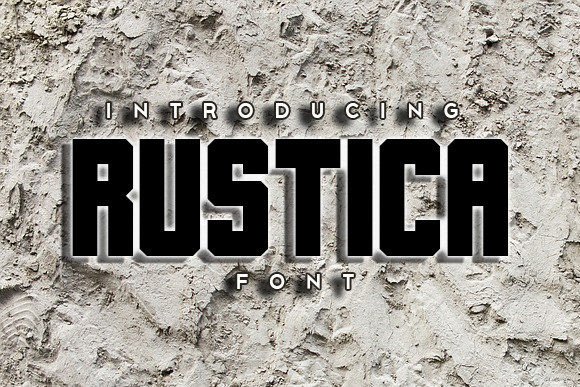
If you're looking for a typeface that adds character without sacrificing clarity, Rustica is one to consider. With its bold, blocky structure and subtle design nuances, this font brings a unique edge to any visual project. Whether you’re creating promotional materials, branding assets, or digital content, Rustica offers a versatile and modern aesthetic that stands out in the right way.
Why Designers Love Using Rustica in Print Projects
Print media still holds a powerful place in marketing and communication, especially when it comes to eye-catching posters and flyers. Rustica’s strong presence makes it an excellent choice for these formats. Its clean lines and consistent weight ensure that text remains legible from a distance, while the slightly irregular edges add a handcrafted feel that can make your designs more engaging.
For example, if you're putting together a music festival poster, using Rustica for headlines can immediately convey energy and creativity. The font doesn’t scream “typewriter,” but it does have that raw, authentic vibe that works well with alternative genres like punk, indie, or hip-hop. It also pairs nicely with minimalist layouts, where less is more — just a few words in Rustica can make a big impact.
Real-World Applications in Different Industries
Let’s break down how Rustica can be used across industries:
- Event Marketing: Concerts, art shows, and pop-up events benefit from fonts that grab attention quickly. Rustica fits the bill perfectly, especially when used on large-format prints or vinyl banners.
- Restaurant Menus: Rustica’s readability and personality are ideal for menus that want to stand out. Think of a rustic café or a trendy burger joint — the font can reinforce the brand’s identity while keeping information clear.
- Product Packaging: If you're designing packaging for craft beers, artisanal foods, or handmade goods, Rustica can give your label a distinctive look that appeals to consumers who value authenticity and quality.
- Advertising: Billboards and print ads often require fonts that are easy to read at a glance. Rustica’s blocky structure ensures visibility, even from afar, while still maintaining a stylish appearance.
Creative Uses Beyond Traditional Print
While Rustica shines in print, don’t overlook its potential in digital spaces. Many web designers use it for call-to-action buttons, headers, or infographics where a strong visual statement is needed. Because of its contrast and sharpness, it can help highlight key messages without overwhelming the user experience.
One practical example is a website for a vintage car restoration business. By using Rustica for section headings and taglines, the site instantly gains a sense of nostalgia and craftsmanship. The font complements high-quality images of classic cars and reinforces the brand’s image as something timeless and reliable.
Who Benefits Most from Rustica?
Different users will find different benefits in Rustica. Here’s a closer look at who might appreciate it most:
- Graphic Designers: Those working on projects that need a modern yet rugged aesthetic can use Rustica to create contrast between elements. It’s great for pairing with sans-serif or script fonts to balance formality and edginess.
- Small Business Owners: If you run a local shop or cafe and want your branding to feel personal and approachable, Rustica can be a perfect fit. It helps create a memorable visual identity without being too flashy.
- Marketing Teams: For campaigns targeting younger demographics or niche markets, Rustica adds a layer of cool without being over-the-top. It’s useful in both print and digital collateral to maintain brand consistency.
- Content Creators: Social media posts, YouTube thumbnails, or podcast artwork all demand a font that’s both readable and visually appealing. Rustica ticks both boxes, making it a go-to option for creators who want their message to pop.
Considerations Before Choosing Rustica
Before jumping into using Rustica for your next project, there are a few things to keep in mind. First, evaluate the context in which the font will appear. While it’s great for headlines and short phrases, it may not be the best choice for long blocks of body text due to its heavier weight and spacing.
Second, think about the audience. Rustica has a certain vibe — it’s modern, bold, and slightly industrial. If your target demographic prefers elegance or professionalism (like corporate clients), you might want to explore other options. But if you're going for a laid-back, creative, or urban feel, Rustica is hard to beat.
Third, test how it looks in different sizes and colors. Because of its blocky nature, it can sometimes lose detail when scaled down or printed on low-resolution surfaces. Always preview it in the final format to ensure it reads clearly and maintains its visual appeal.
How to Make the Most of Rustica
Here are some tips for maximizing Rustica’s effectiveness in your designs:
- Use it sparingly for emphasis. Too much of any font can dilute its impact. Save Rustica for titles, subheadings, or short quotes.
- Pair it with softer, more refined fonts to create visual harmony. For instance, combine Rustica with a clean sans-serif or serif font in body copy to avoid a cluttered look.
- Experiment with color. Rustica’s blocky style works well with dark backgrounds and bright accents. Try using it in white on a black background for maximum contrast.
- Use it in logos for brands that want to communicate strength, simplicity, or a touch of rebellion. Its boldness can become a signature element of a brand’s visual language.
Potential Limitations of Rustica
No font is perfect for every situation. Rustica, while highly adaptable, does have some limitations. One common issue is its lack of ligatures or stylistic variations compared to more complex typefaces. This means it may not offer the same level of customization for advanced typographic needs.
Additionally, because of its heavy construction, it may not render well on very small screens or in low-contrast environments. Always consider accessibility when choosing a font. If your design includes people with visual impairments, pair Rustica with a secondary font that is more accessible for body text.
Finally, Rustica isn’t the best fit for formal or academic settings. Its casual, almost handmade appearance could clash with traditional or conservative aesthetics. Know your context and choose accordingly.
Putting Rustica to Work in Everyday Designs
Here are some everyday scenarios where Rustica can elevate your work:
- Festival Banners: Use it for event names and dates to draw attention and establish a fun, energetic tone.
- Social Media Graphics: Apply it to Instagram posts or Facebook covers for businesses in the food, fashion, or lifestyle niches. It adds personality without getting lost in scrolling feeds.
- Infographics: Highlight key data points or statistics with Rustica to guide the viewer’s eye through the content.
- Merchandise Labels: T-shirts, hoodies, or stickers featuring Rustica can become instant favorites among customers looking for something unique and expressive.
Designing with Rustica is about striking the right balance between form and function. It’s not just a font; it’s a design tool that can help you tell stories, set tones, and connect with audiences in meaningful ways.
Final Thoughts on Rustica’s Practical Value
Whether you're crafting a poster for a local concert or designing a logo for a new startup, Rustica brings a bold, no-nonsense style that can adapt to many contexts. It's the kind of font that doesn't ask for attention — it demands it. And in today’s fast-paced, visually driven world, that’s exactly what you need.
So if you're ready to bring a bit of edge to your designs, give Rustica a try. You’ll likely find it’s a font that works as hard as you do, delivering results that are both professional and creatively satisfying.