Raffael: A Versatile Font Merging Modern and Vintage Design
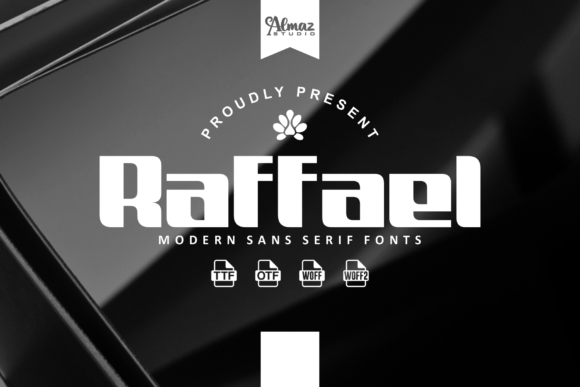
Raffael is a sophisticated sans-serif typeface that bridges the gap between modern minimalism and vintage elegance. Its unique design offers an appealing contrast that makes it stand out in both digital and print environments. As part of a font family, Raffael provides multiple weights and widths, allowing for flexible use across various design projects. Whether you're working on branding materials, editorial layouts, or web content, this font brings a distinctive character to your visual communication.
Characteristics of Raffael
The standout feature of Raffael is its elegant yet contemporary structure. Unlike many other sans-serif fonts that prioritize geometric precision, Raffael introduces subtle humanist elements that enhance readability and aesthetic appeal. The balance between sharp edges and soft curves gives the font a refined look without compromising legibility at smaller sizes.
Raffael includes two primary weights: Regular and Bold. These variations make it suitable for both body text and prominent headings. Additionally, the font supports Latin and Cyrillic alphabets, making it accessible to a wide range of users and expanding its global usability. This multilingual support is particularly valuable for international designers or businesses targeting diverse audiences.
The compressed width options within the Raffael family are ideal for managing space efficiently. In scenarios where screen real estate or printed page layout is limited, such as mobile interfaces, infographics, or timetables, these narrower versions maintain clarity while reducing bulk. Conversely, the extended width variants add energy and flair to titles and headers, creating a strong visual impact when style matters more than space economy.
Applications and Use Cases
Raffael’s versatility makes it an excellent choice for numerous applications. In layout designs, it can serve as the foundation for clean, professional-looking pages. For apparel and product packaging, the font's bold and extended forms help create eye-catching labels and logos that convey sophistication and modernity.
In the world of magazines and newspapers, Raffael performs well as a headline font due to its high contrast and dynamic feel. It adds a touch of personality to editorial content without overwhelming the reader. Posters and promotional materials also benefit from Raffael's expressive nature—especially when used creatively in varying widths to guide the viewer's attention through the visual hierarchy.
For branding and identity work, Raffael helps establish a cohesive and stylish presence. Many businesses use it in logos and taglines to communicate professionalism with a hint of vintage charm. The font's adaptability ensures consistency across different media, from business cards to website banners.
Design Workflows with Raffael
When integrating Raffael into your design workflow, consider how its different widths can be used strategically. Compressed styles might be reserved for tight grids or dense text blocks, while extended versions could highlight key phrases or brand names. Pairing Raffael with complementary serif or monospace fonts can further enhance typographic diversity in your projects.
Graphic designers often test Raffael in mockups before finalizing a project. This allows them to evaluate how the font behaves under different conditions—such as low resolution screens or high-speed printing. Testing is especially important for multi-language projects, where the Cyrillic script needs to maintain the same level of elegance and functionality as the Latin version.
Advantages of Using Raffael
One of the main advantages of Raffael is its ability to adapt to different contexts without losing its core identity. This makes it a reliable choice for long-term design systems where font consistency is crucial. Another benefit is its legibility; despite being a sans-serif, Raffael maintains a clear distinction between characters, which is essential for effective communication.
The font’s dual personality—modern and vintage—also opens up creative possibilities. It can be used to evoke retro aesthetics in new media or to bring warmth and approachability to otherwise sterile digital interfaces. This duality is rare in typefaces and contributes to Raffael's growing popularity among professionals who seek unique but functional typography solutions.
Additionally, Raffael is optimized for both print and screen use. Its crisp lines ensure it remains readable on high-resolution monitors and printers alike. This cross-platform performance reduces the need for font switching, saving time during the design process and ensuring a consistent experience for end-users.
Considerations When Using Raffael
While Raffael is highly adaptable, there are some considerations to keep in mind. Its high contrast may not perform optimally in very small sizes or on lower quality displays. To mitigate this, designers should always preview the font at intended usage sizes and resolutions.
Another consideration is the appropriate spacing and line height when using compressed variants. Because these versions reduce horizontal space, vertical rhythm becomes even more important to avoid cluttered or cramped text blocks. Good typography practices will help maintain the font’s elegance in all formats.
Lastly, while the extended widths are great for headlines, they should be used sparingly in body text to prevent visual fatigue. Balancing these widths with more neutral fonts or spacing techniques ensures a harmonious and user-friendly design outcome.
Raffael in Branding and Communication
Branding is one of the most impactful areas where Raffael shines. The font's combination of strength and subtlety allows brands to express confidence while maintaining a sense of refinement. Fashion labels, for instance, have adopted Raffael for their logos and marketing materials, using the bold weight to emphasize their name and the regular weight for taglines or descriptions.
Logos designed with Raffael often leverage the extended widths to make a memorable statement. The elongated form creates a sense of movement and energy, which is particularly useful for lifestyle and creative industries. At the same time, the compressed versions offer a sleek and compact option for minimalist branding strategies.
In addition to logos, Raffael is frequently used in infographics and data visualization projects. Its structured yet expressive form helps categorize information clearly while adding a visual interest that keeps the audience engaged. This is especially relevant in educational and research settings where clarity and engagement are equally important.
Practical Examples of Raffael Usage
Let’s take a closer look at how Raffael has been applied in real-world projects:
- Magazine Covers: Designers have used the extended variant of Raffael for magazine covers, leveraging its dynamic form to catch the reader's eye while maintaining legibility.
- Mobile App Interfaces: In mobile app design, the compressed width of Raffael is employed for buttons and navigation menus, offering a modern appearance without sacrificing usability.
- Poster Design: Event posters often feature Raffael in bold and extended widths for titles, paired with a lighter weight for supporting text to create a balanced composition.
- Product Packaging: Apparel and food brands utilize Raffael for labels and tags, using the font to reinforce brand identity with a touch of elegance.
These examples illustrate the practical value of Raffael in diverse fields. By understanding how each width and weight contributes to the overall design, professionals can make informed choices that align with their creative goals.
Comparisons and Trends
Compared to other popular sans-serif fonts like Helvetica or Futura, Raffael stands out for its nuanced contrast and stylistic flexibility. While Helvetica is known for neutrality and universality, Raffael adds depth and character, making it better suited for projects that require a stronger typographic presence.
Similarly, when compared to more decorative typefaces, Raffael retains a level of professionalism that prevents it from becoming too ornate. It strikes a balance between creativity and clarity, which is increasingly valued in today’s fast-paced digital landscape.
Current trends in typography favor fonts that can evolve with the medium. Raffael fits perfectly into this trend by offering both compressed and extended widths. As responsive design becomes standard practice, having a font that adapts to different screen sizes and formats is a major asset.
Why Raffael is Gaining Traction
Raffael’s growing adoption can be attributed to several factors:
- Its blend of modern and vintage aesthetics appeals to a broad audience, including those looking for nostalgic designs in new contexts.
- Support for multiple languages enhances its usability in global markets.
- High-quality rendering on both digital and print platforms ensures reliability for professional use.
- Flexible widths allow for creative freedom without compromising legibility.
As more designers explore the potential of hybrid typefaces, Raffael continues to gain recognition for its thoughtful design and adaptability. It’s a favorite among educators teaching typography and students experimenting with font families for the first time.
Conclusion
Raffael is more than just a font—it’s a versatile design tool that caters to a variety of needs. From its elegant structure to its multilingual support, it offers a compelling solution for professionals seeking to elevate their typographic choices. Whether you're crafting a logo, designing a poster, or optimizing a website, Raffael provides the flexibility and finesse required to succeed in today’s visually driven world.