Classic Cassette: A Timeless Display Font for Modern Creativity
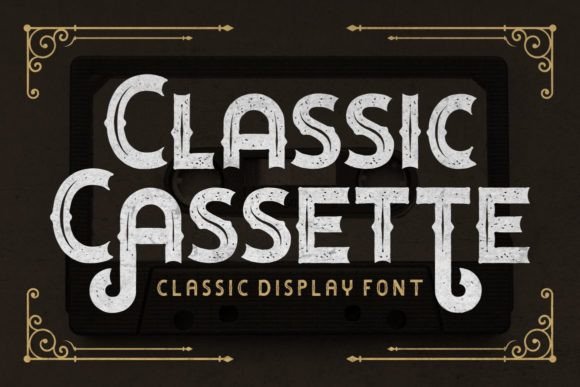
In the ever-evolving world of typography, certain fonts stand out not just for their aesthetic appeal but for their ability to evoke emotion and nostalgia. One such font is Classic Cassette, a vintage-style display typeface that brings a unique charm to any design project. With its retro-inspired character set and professional-grade features, it has quickly become a go-to choice for designers, content creators, and businesses seeking to make a bold typographic statement.
Understanding the Design Philosophy Behind Classic Cassette
The name itself suggests a sense of history—Cassette being a staple of 20th-century media, and Classic hinting at enduring style. True to its name, Classic Cassette draws inspiration from the visual language of analog audio technology, particularly the textured labels and hand-drawn elements found on cassette tapes. This font blends organic imperfections with clean structure, creating a look that feels both nostalgic and contemporary.
Designed primarily for use in headlines, logos, posters, and other display purposes, Classic Cassette avoids the constraints often associated with traditional vintage fonts. It maintains legibility even at smaller sizes while preserving its expressive personality. The result is a versatile tool that can be adapted across various creative industries without losing its core identity.
Key Features and Technical Advantages
- PUA Encoding: One of the standout technical benefits of Classic Cassette is its PUA (Private Use Area) encoding. This allows users to access all glyphs and ligatures seamlessly through glyph panels or character maps in design software like Adobe Illustrator or Photoshop. No need for complex scripts or additional tools.
- Rich Glyph Set: Beyond standard characters, the font includes special symbols, alternate letters, and stylistic ligatures that enrich compositions and add a layer of customization.
- Scalability and Compatibility: Whether you're working on print materials or digital assets, Classic Cassette performs reliably across platforms and mediums. Its high-resolution rendering ensures crisp visuals on screens and paper alike.
Real-World Applications of Classic Cassette
Fonts serve as silent communicators, shaping how messages are perceived. Classic Cassette is no exception. Its retro yet refined appearance makes it ideal for projects where a touch of authenticity meets modern clarity. Here are some practical applications where this font shines:
Branding and Logos
Businesses in the music, fashion, and lifestyle sectors often seek fonts that reflect their brand's personality. Classic Cassette offers an excellent option for those aiming to convey a sense of heritage or craftsmanship. For example, a boutique vinyl store might use it in their logo to emphasize their connection to analog sound. Similarly, a vintage clothing line could incorporate it into packaging to enhance the product's nostalgic appeal.
Marketing and Advertising Materials
From posters to social media graphics, marketing professionals rely on strong visual hierarchy. Classic Cassette’s bold and distinctive letterforms make it perfect for headlines and taglines that demand attention. Its versatility also means it can pair well with more subdued body text, ensuring contrast without clashing.
Editorial and Publishing Projects
Magazines, zines, and book covers benefit from fonts that tell a story. Classic Cassette adds character to editorial designs by giving titles a tactile feel. In print, the texture of the font complements matte finishes or distressed paper effects, enhancing the overall visual narrative.
Web and Mobile Interfaces
While typically associated with print, display fonts like Classic Cassette can also work effectively online when used judiciously. They’re especially useful for hero sections, call-to-action buttons, and decorative headers. The key is to balance aesthetics with usability—ensuring the font doesn’t hinder readability on different devices.
Why Choose Classic Cassette Over Other Vintage Fonts?
Vintage-style fonts abound in the design community, each offering its own interpretation of the past. What sets Classic Cassette apart is its thoughtful approach to combining historical influence with modern functionality. Unlike some older typefaces that may appear cluttered or overly stylized, Classic Cassette maintains a clear structure, making it easier to integrate into current workflows.
Another advantage lies in its adaptability. While many vintage fonts are best suited for specific eras or genres, Classic Cassette can fit into a variety of contexts—from retro-themed campaigns to minimalist, modern designs. Its broad appeal ensures it remains relevant across different trends and user preferences.
Use Cases That Highlight Practical Value
- Event Branding: Concerts, festivals, and themed parties often require fonts that capture a particular vibe. Classic Cassette can evoke a sense of timelessness, fitting well in event posters and promotional materials for retro-inspired gatherings.
- Product Packaging: Artisanal products, craft beers, or handmade goods can leverage the font to communicate quality and tradition. The vintage flair aligns naturally with brands emphasizing authenticity and small-batch production.
- Digital Content Creation: Influencers, YouTubers, and podcasters frequently use custom fonts to build their visual identities. Classic Cassette adds a stylish edge to thumbnails, titles, and intro animations, helping them stand out in crowded feeds.
Best Practices for Using Classic Cassette
To get the most out of Classic Cassette, consider the following guidelines:
- Pair Wisely: Match it with a complementary sans-serif or serif font for body text to maintain readability and visual harmony.
- Contrast Is Key: Use it sparingly to avoid overwhelming the design. Let it highlight important elements rather than fill every space.
- Experiment with Ligatures: Take full advantage of the included ligatures and alternate characters to create dynamic and engaging compositions.
- Test Across Platforms: Always preview your designs on different screens and in print to ensure the font looks consistent and clear.
Common Mistakes to Avoid
Despite its strengths, Classic Cassette isn't suitable for every situation. Here are some pitfalls to watch out for:
- Overuse in Body Text: Because it's a display font, using it for large blocks of text can reduce legibility and distract from the message.
- Ignoring Color Contrast: Pairing dark tones with light backgrounds generally works well, but don’t forget to test color combinations for accessibility and visibility.
- Forgetting Licensing: Always confirm the font license before using it in commercial projects to avoid legal issues.
How Classic Cassette Fits Into Current Typographic Trends
Typography trends have shifted toward more expressive and human-centric styles in recent years. Classic Cassette aligns with this movement by offering a font that feels handcrafted and authentic. It taps into the growing appreciation for retro aesthetics in tech, fashion, and entertainment industries, providing a bridge between the past and present.
Designers today are looking for fonts that help them differentiate their work. Classic Cassette stands out because it’s not just another throwback—it’s a masterfully designed typeface that considers usability and versatility. As such, it fits neatly into the broader trend of “designer-friendly” fonts that prioritize both form and function.
A Comparative Look at Display Fonts
When compared to similar vintage-style fonts, Classic Cassette holds its own due to several factors:
- Its balanced proportions allow it to scale well without distortion.
- The PUA-encoded features give users greater control over glyph selection and layout.
- It supports a wide range of languages, making it accessible for international audiences.
These qualities make it a preferred choice for designers who want a vintage look without sacrificing professionalism or performance.
Integrating Classic Cassette Into Your Workflow
Adding Classic Cassette to your design toolkit is straightforward. Once installed, open your design software and select the font from the list. To access special glyphs and ligatures:
- Open the Glyphs panel in Adobe Illustrator or Photoshop.
- Use the Character Map on Windows or Font Book on macOS.
- Explore OpenType features if supported by your application.
For web developers, embedding the font requires using a @font-face declaration or linking to a hosted version. Make sure to include fallback fonts and optimize loading times to ensure a smooth user experience.
Case Study: Creative Use in a Music Festival Poster
Imagine designing a poster for a local music festival celebrating indie rock from the '80s and '90s. Classic Cassette would serve as an excellent title font, instantly setting the tone with its retro feel. By pairing it with a sleek sans-serif for supporting text, the designer creates a visual contrast that guides the viewer’s eye and enhances information hierarchy.
Additionally, the font’s ligatures can be used creatively to form stylized band names or event slogans. The final result is a poster that feels authentic and visually compelling, resonating with both longtime fans and newcomers to the scene.
Considerations for Long-Term Relevance
Choosing a font involves thinking about how it will perform over time. Classic Cassette’s design ensures longevity by avoiding overly trendy elements. Instead, it focuses on a timeless aesthetic that won’t date quickly. This makes it a smart investment for anyone planning long-term branding efforts or recurring design projects.
Moreover, as remote work and digital collaboration become the norm, having a font that works consistently across devices and operating systems is crucial. Classic Cassette delivers reliable results regardless of platform, which is a major plus for teams working in diverse environments.
Accessibility and Readability Insights
While display fonts are inherently less readable than sans-serif or serif body fonts, they can still be made accessible with careful use. When using Classic Cassette in digital formats, consider increasing spacing between letters and lines for better legibility. Also, ensure sufficient contrast against background colors to meet accessibility standards.
Some designers also choose to convert text to outlines or vector shapes when accessibility is a concern, especially in cases where screen readers struggle with non-standard fonts. This preserves the visual intent while accommodating users with different needs.
Conclusion
Classic Cassette is more than just a font—it’s a design asset that bridges the gap between nostalgia and modernity. Whether you’re crafting a brand identity, producing editorial content, or building a website, this font offers the right mix of character and clarity. Its thoughtful design, coupled with advanced technical features like PUA encoding, makes it a valuable addition to any creative toolkit.
By understanding its strengths and limitations, and applying it with intention, you can unlock its full potential. As trends continue to evolve, having a font like Classic Cassette ensures your work remains both expressive and effective—today and in the future.