Wesley Ford: A Unique Display Font for Creative Projects
Fonts play a critical role in visual communication, influencing how messages are perceived and experienced. Among the many display fonts available today, Wesley Ford stands out as a bold, expressive, and highly adaptable option. Designed to capture attention and convey personality, this font is particularly well-suited for creative applications where aesthetics and impact matter most.
What Makes Wesley Ford Unique?
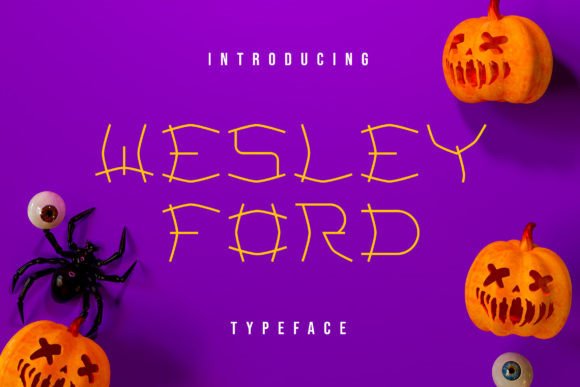
Wesley Ford is a sans-serif display font that blends modern minimalism with a touch of character. Unlike standard sans-serif fonts like Arial or Helvetica, which prioritize readability in body text, Wesley Ford is crafted to shine in headlines, logos, posters, and other large-format designs. Its clean lines and slightly irregular shapes give it an organic feel, making it visually engaging without being overly ornate.
The font’s design elements include subtle variations in stroke weight, open apertures, and rounded terminals. These features contribute to its friendly yet professional appearance. It’s also optimized for digital use, ensuring sharp rendering on screens while maintaining a strong presence in print media.
Key Characteristics of Wesley Ford
- Bold and Confident: The font has a commanding presence that works especially well for branding and marketing materials.
- Versatile Style: Though it’s a display font, Wesley Ford can be used effectively in both uppercase and lowercase scenarios.
- High Readability at Large Sizes: Despite its stylized nature, the font remains easy to read when used appropriately—typically in larger sizes.
- Modern Aesthetic: The design aligns with contemporary trends in typography, offering a fresh alternative to more traditional choices.
Comparing Wesley Ford with Other Display Fonts
When evaluating display fonts, it’s important to consider their purpose and how they fit into the broader context of your design. Wesley Ford occupies a unique space between geometric sans-serifs and handwritten styles, making it a compelling choice for those who want something distinctive but still structured.
For instance, compare Wesley Ford to another popular display font like Montserrat. Montserrat is known for its crisp, architectural look and offers multiple weights for flexibility. While both fonts are sans-serif, Montserrat leans toward a more rigid, uniform structure, whereas Wesley Ford introduces a softness that enhances its visual appeal. This makes Wesley Ford ideal for projects where warmth and approachability are desired alongside professionalism.
In contrast to script fonts such as Lobster or Great Vibes, Wesley Ford avoids the potential overuse or informality that can come with cursive or brush-style typefaces. It provides a balance—enough personality to stand out but enough consistency to remain legible and trustworthy in a variety of contexts.
Strengths and Tradeoffs
One of the main strengths of Wesley Ford is its ability to add a sense of creativity and originality to any project. Whether you’re designing a website header, a product label, or a social media graphic, this font can help differentiate your work from the competition. Its versatility across platforms (both digital and print) further increases its value as a go-to font for designers looking to streamline their typographic choices.
However, like all display fonts, Wesley Ford isn’t perfect for every situation. Its style may not translate well to long paragraphs of text due to spacing and letterform characteristics that prioritize visual flair over dense readability. If your project requires a lot of body copy, pairing Wesley Ford with a complementary sans-serif or serif base font could be the best solution.
Best-Fit Situations for Wesley Ford
Understanding when to use Wesley Ford is essential for maximizing its effectiveness. Here are some common use cases where this font truly excels:
- Branding and Logos: The font's bold, confident design is excellent for creating memorable brand identities. Its subtle irregularities make it feel authentic and less mechanical than many alternatives.
- Marketing Materials: From flyers to banners, Wesley Ford adds a layer of sophistication that helps attract and retain viewer attention.
- Web Design Headers: In web layouts, the font can serve as an effective headline font, especially in minimalist or modern interfaces where contrast is key.
- Social Media Content: Given the importance of visuals on platforms like Instagram, Facebook, or Twitter, Wesley Ford can enhance the aesthetic quality of your posts and stories.
- Poster and Event Designs: Whether announcing a music festival, art exhibition, or product launch, the font brings energy and clarity to the message.
For example, imagine a startup launching a new wellness app. Using Wesley Ford for the app name on the home screen would immediately communicate a sense of modernity and health-consciousness. Alternatively, if a designer is working on a vintage-themed poster for a local café, they might find that a serif font like Playfair Display better matches the intended tone and atmosphere.
Limitations and Considerations
While Wesley Ford is a powerful tool in the right hands, it does have limitations that users should be aware of before making it a core part of their design toolkit.
- Not Ideal for Long Text: As previously mentioned, its display nature means it’s best suited for short phrases rather than extended reading material.
- Color and Background Sensitivity: The font’s lighter strokes may appear washed out or lose definition depending on the background color or texture used. Careful selection of contrasting colors is necessary to maintain visibility.
- License Restrictions: Depending on the platform from which you download the font, there may be limitations on commercial use or redistribution. Always check the licensing terms before finalizing your choice.
These tradeoffs don’t diminish the value of Wesley Ford—they simply highlight the need for thoughtful application. Choosing the right font involves matching form with function, and in many cases, Wesley Ford fits the bill perfectly.
When to Choose Wesley Ford
If your goal is to create something visually striking and emotionally resonant, Wesley Ford is a strong contender. It works particularly well in the following scenarios:
- Projects requiring a modern, youthful, or innovative vibe.
- Designs where the font needs to act as a focal point rather than just a vehicle for text.
- Applications where the text is short, impactful, and benefits from a slightly humanized look.
- Contexts where you want to avoid clichéd or overly formal typefaces.
When to Look for Alternatives
Conversely, there are situations where Wesley Ford may not be the optimal choice. For example:
- If you're designing a document or website with extensive body text, opt for a more readable base font.
- If your audience includes older demographics or those with visual impairments, consider using a higher-contrast or simpler typeface for accessibility reasons.
- For projects that require strict compliance with corporate or institutional branding guidelines, ensure that Wesley Ford aligns with the approved style.
In these instances, choosing a font like Open Sans or Lato might provide a better user experience by prioritizing clarity and familiarity.
Practical Tips for Using Wesley Ford
To get the most out of Wesley Ford, keep the following tips in mind:
- Use It Sparingly: Reserve Wesley Ford for headings, titles, and accents. Overusing it can lead to visual fatigue or inconsistency in your layout.
- Pair Thoughtfully: Complement it with a neutral base font to maintain harmony in your design. A classic serif or a clean sans-serif often works well.
- Test Across Devices: Since it’s a digital-first font, always preview how it looks on different screens—especially mobile devices—to ensure it retains its clarity and impact.
- Experiment with Weight Variants: Many display fonts offer multiple weights (light, regular, bold), and Wesley Ford is no exception. Testing these variants can help you find the perfect tone for your message.
Real-World Examples
Consider how a boutique fitness studio might use Wesley Ford in their promotional materials. A bold version of the font in bright white over a dark background could make the studio’s logo pop, while a lighter variant in a callout box might guide viewers toward booking a session. In comparison, using a font like Bebas Neue might achieve a similar effect but with less variation in character shape, potentially reducing the depth of visual interest.
Another example is in the realm of event invitations. A wedding planner might choose Wesley Ford for the couple’s names on the front cover, giving the invitation a stylish yet elegant feel. However, for the details section (date, time, location), they’d likely switch to a more refined font like Merriweather to preserve legibility and formality.
Alternatives Worth Considering
When selecting a font, it’s wise to explore options beyond what first meets the eye. Here are a few alternatives that might suit similar purposes:
- Quicksand: A Google Fonts option with a smooth, rounded style that feels modern and approachable.
- Raleway: Another sans-serif with a geometric edge, Raleway is great for high-tech or minimalist themes.
- Poppins: Known for its clean, futuristic look, Poppins is a versatile font that works well in both digital and print formats.
- Fira Sans: Offers a balanced blend of modernity and readability, suitable for UI/UX design and editorial work.
Each of these fonts has its own set of characteristics and is best matched to specific types of content and audiences. While Wesley Ford is certainly a standout in the display category, understanding its place within the broader typographic landscape will help you make a more informed decision.
Evaluating Based on Project Needs
Choosing the right font depends largely on the goals and constraints of your project. Ask yourself the following questions to determine if Wesley Ford is the right fit:
- Is my primary objective to create a visual impact or to convey information clearly?
- Will the font be used in short bursts or for extended text?
- Does the font align with the emotional tone I want to communicate?
- Am I targeting a younger, tech-savvy audience, or one that prefers traditional aesthetics?
By answering these questions honestly, you’ll gain a clearer picture of whether Wesley Ford is the best option for your needs or if another font might serve your purpose more effectively.
Conclusion
Wesley Ford is more than just a pretty font—it’s a strategic choice for designers seeking a unique yet functional display typeface. Its combination of boldness, clarity, and stylistic nuance allows it to stand apart from the crowd while remaining accessible and professional. When compared to other display fonts, it holds its own through thoughtful design and broad applicability.
Ultimately, the best font is the one that supports your message and resonates with your audience. Whether you're crafting a brand identity, designing a website, or preparing marketing collateral, Wesley Ford offers a compelling option worth exploring. Just remember to evaluate your needs carefully and pair it with appropriate supporting elements to ensure a cohesive and effective outcome.